
Transform Your Money Tracker Into a Cashflow Plan
A Cashflow Plan with actionable tips will boost your business finances and ensure sustainable growth. Start optimising your cashflow now!
Understanding and managing your cash flow is crucial to the success of your business. In fact, 73% of small businesses fail due to preventable cash flow errors, errors you're probably making right now. But worry not! In this article, we'll delve into how to transform your money tracker into a comprehensive cashflow plan that will keep your business afloat and thriving.
Let’s break this down step by step, empowering you with the knowledge and tools to optimise your business finances.
The Importance of Cash Flow Management
Cash flow management is not just an accounting practice; it’s the lifeblood of your business. Proper management ensures that you have enough cash on hand to meet your operating expenses, invest in opportunities, and weather financial storms. Here are some key reasons why cash flow should be on your radar:
Sustains Operations: Cash flow allows you to cover your day-to-day expenses, salaries, and bills.
Supports Growth Opportunities: Cash flow provides the flexibility to invest in new projects or inventory.
Enhances Financial Stability: Understanding your cash flow helps you avoid costly financial pitfalls, giving you a competitive edge.
To effectively manage your cash flow by creating a robust cash flow plan that transcends basic money tracking enabling you to forecast future cash needs and anticipate any potential shortages.
Follow these actionable steps to create your own cash flow plan that works seamlessly with your bookkeeping practices:

Step 1: Review Your Current Position
Before you can develop a cash flow plan, you must know where you stand financially. Assess your current income, expenses, and debts, this will provide a baseline for your cash flow forecasts.
Compile your financial records: Gather all relevant bookkeeping data, including sales invoices, receipts, and expense statements.
Identify your current cash flow pattern: For example, if your business experiences seasonal peaks and troughs, understand when you usually run into cash flow issues.
Step 2: Forecast Future Cash Inflows and Outflows
Next, project your expected cash inflows (i.e. revenue) and outflows (i.e. expenses).
Estimate Cash Inflows:
Analyse past sales data to predict future revenue.
Consider seasonal trends and any upcoming contracts that might affect sales.
Estimate Cash Outflows:
Include consistent expenses like rent, utilities, and payroll.
Don’t forget to account for variable costs such as inventory purchases or marketing expenses.
Step 3: Create a Cash Flow Statement
Now it’s time to compile your forecasts into a cash flow statement. This can be a simple spreadsheet that includes:
Opening balance (beginning cash)
Total cash inflows
Total cash outflows
Closing balance (ending cash)
Regularly updating this statement will give you a clear view of your cash situation.
Step 4: Track and Adjust
Implementing your cash flow plan is just the beginning. To ensure its effectiveness:
Monitor your cash flow regularly: Regular reviews help you identify trends and adjustments in real-time.
Make adjustments as needed: If you notice cash shortages, examine your expenses and look for areas to cut back.
Consider using accounting software: Tools like Xero can automate cash flow management and make tracking easier.




Common Cash Flow Mistakes to Avoid
Understanding common pitfalls can help you steer clear of errors that can jeopardise your business:
Poor forecasting: Underestimating expenses or overestimating revenue can lead to overspending.
Ignoring timing: Cash flow relies on timing; late customer payments can disrupt your operational flow.
Failing to plan for taxes: Ensure you allocate enough funds for tax preparation to avoid large and unexpected payments.
By being aware of these mistakes, you can proactively manage your cash flow and enhance your business’s financial health.
Ako Tools to Enhance Your Cashflow Planning
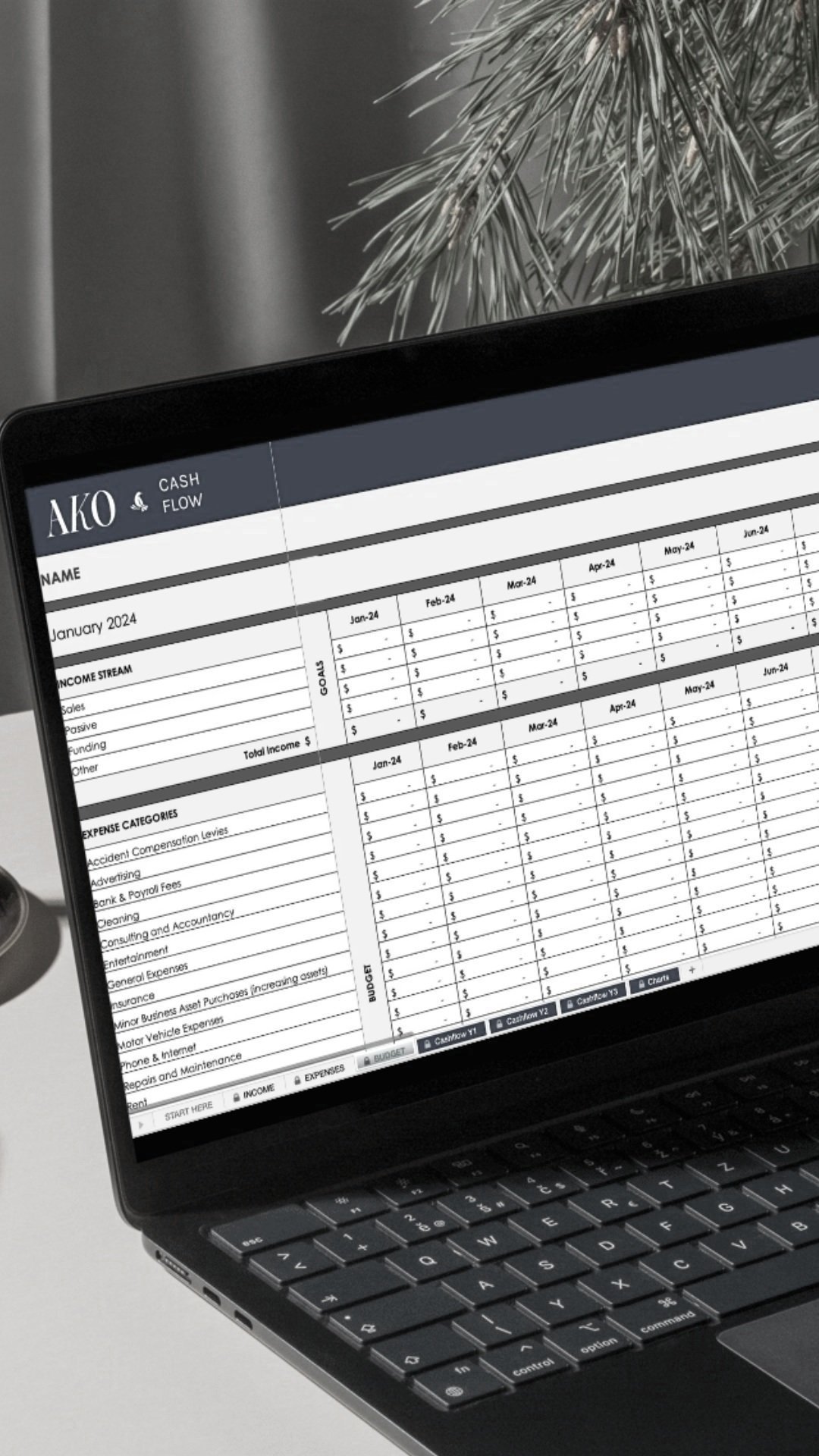
Investing in the right tools can simplify your cash flow management process:
Accounting Software: Systems like Xero or will automate many aspects of bookkeeping and generate cash flow reports.
Financial Forecasting Tools: Tools can help you predict future cash flows based on real-time data.
Budgeting Templates: Try our budgeting and money tracker tools for a more structured approach to forecasting.
These tools can provide insights that are invaluable for maintaining healthy business finances.
Next Steps: Implementing Your Cashflow Plan
Now that you understand the key elements of transforming your money tracker into a cashflow plan, it’s time to take action. Here’s a quick recap of what to do next:
Review your financial status: Gather your financial records and understand your current cash flow.
Forecast your inflows and outflows: Use accurate data to anticipate your future financial needs.
Create and maintain your cash flow statement: Keep your statement updated to ensure you’re always aware of your cash position.

Set Up Your Business the Right Way from Day One Build Your Business is the foundations course every new business owner wishes they had at the start. This isn’t theory. It’s the exact steps you need to turn an idea into a functioning, compliant, ready-to-run business. You’ll learn how to structure your business properly, set up your essential systems, understand your legal and financial obligations, map out your services, price your work, and build workflows that keep everything running smoothly
Assessing these factors can help you determine whether it's time to hire a bookkeeper to ensure your financial health and support your business growth.
By dedicating some time to familiarise yourself with these tools, you can maintain accurate financial records, ensuring a clear picture of your financial health without the need for professional bookkeeping services.

At Ako Cash Flow, we’re not just bookkeepers—we’re your financial empowerment partners. Our mission is to give you the confidence and skills to manage your own books with ease. With our tailored tools and expert guidance, you’ll learn how to track income and expenses, master cash flow, and make smart financial decisions that support your goals. We believe that financial independence is key to long-term success. That’s why our approach focuses on education and support, enabling you to take control of your personal or business finances and build a stronger financial future. Let's empower your journey together!

Struggling to keep your business expenses in check? This free eBook will help you take control of your cash flow by helping you and make smarter financial decisions. Packed with practical tips and actionable strategies, you'll learn how to reduce waste, find better deals, and keep more money in your business—without sacrificing quality or growth.
Download now and start saving smarter!